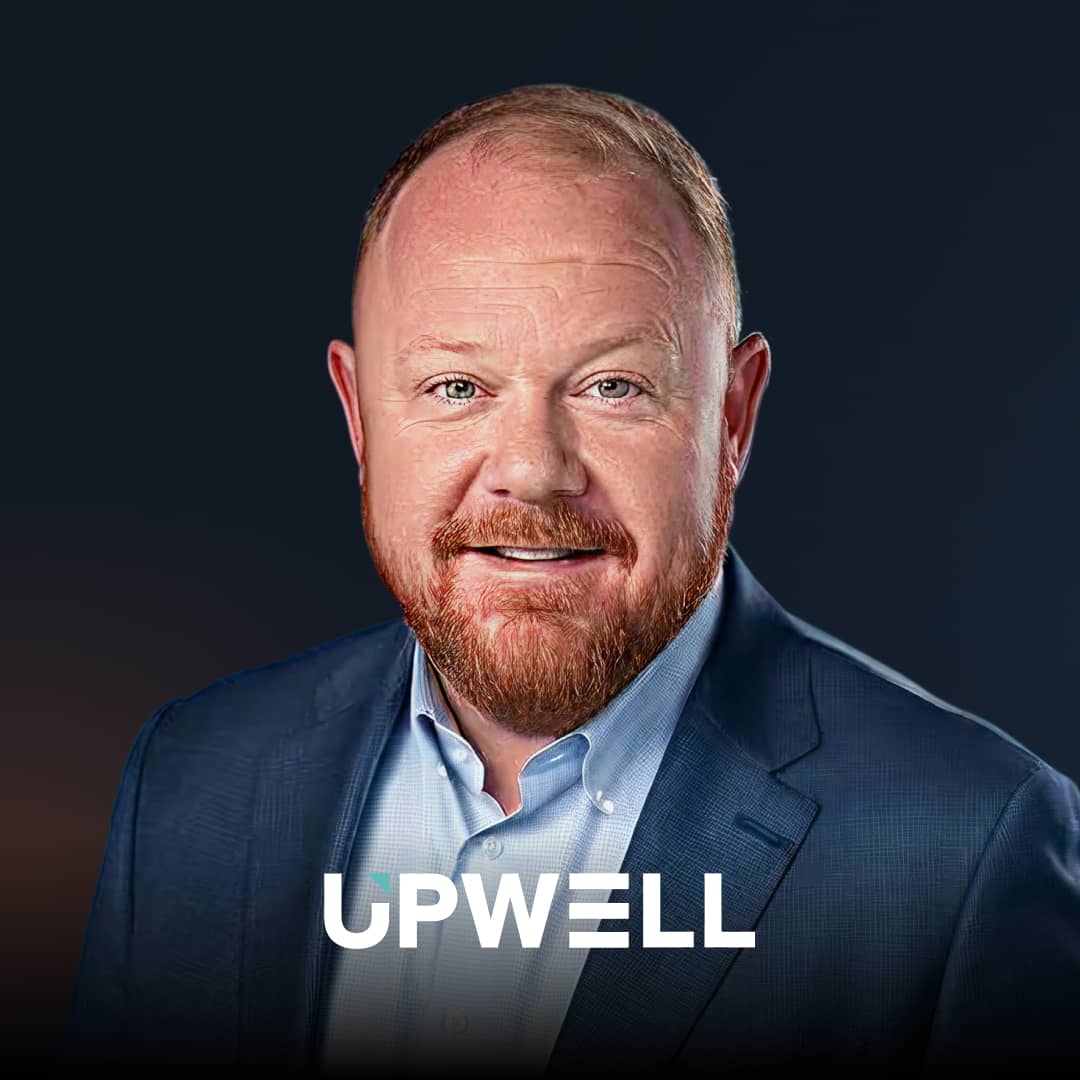

Anthony Sutardja has spent nearly a decade building software for freight brokers. He started by trying to launch an Uber-for-trucking brokerage, failed, and pivoted to building the tools he wished existed. Today, Parade is one of the most widely adopted capacity management platforms in freight, handling billions in brokerage volume and automating millions of carrier conversations annually.
This episode covers how Parade approaches carrier procurement differently than a TMS or load board, how their AI tool Co-driver qualifies and negotiates with carriers, and why the combination of AI and humans consistently outperforms either working alone. Anthony also shares hard numbers on what automation is doing to cost per load and why brokers who ignore this shift risk falling behind.
When you break down the cost of covering freight across the full load lifecycle, carrier procurement accounts for roughly 35% of the total. That includes account management, appointment scheduling, tracking, billing, and collections. But finding and booking a carrier is where the time goes.
Anthony estimates the cost at around $44 per load when you factor in rep time, benefits, and overhead. That number is not just labor. It reflects a workflow built on phone calls that never stop ringing, tribal knowledge that lives in people's heads, and carrier data that goes stale the moment it is entered.
The brokers who understand this are not just looking for cheaper tools. They are looking for ways to restructure the entire procurement process so their teams can do more with less manual work.
Out of every hundred conversations a broker has with carriers on the spot market, only about four result in a booking. The other 96 are disqualified for reasons like bad insurance, wrong equipment, misaligned schedules, or price gaps.
Each of those conversations still takes time. A phone call runs two to three minutes. An email thread can stretch to 15 minutes of async back and forth. That adds up fast when reps are fielding dozens of inquiries per day.
This is where automation has the clearest ROI. If you can filter out 50% of those conversations before a human ever gets involved, you are not just saving time. You are letting your team focus on the carriers who are actually ready to move freight.
Parade tested three approaches to carrier negotiation: AI only, human only, and AI handling the front end before handing off to a rep. The combination won. It pushed prices down an additional $39 per load compared to either method working solo.
Anthony calls this the "centaur model," a reference to the half-human, half-horse of Greek mythology. The AI handles the repetitive qualification steps and initial price action. The human closes the deal and handles edge cases.
This is not a theoretical framework. It is how Parade's highest-performing customers operate today. The AI is not replacing the rep. It is clearing the path so the rep can do what they are actually good at.
Five years ago, a strong carrier sales rep might cover 50 loads per week on the spot market. That was the bar. Today, with AI-assisted workflows, that number is closer to 200.
That is a 4x increase in productivity, and it is not coming from working harder. It is coming from removing steps. Automated qualification. Automated outreach. Automated negotiation up to a threshold. The rep steps in only when the carrier is ready to book.
This shift has downstream effects that have not fully played out yet. If everyone can operate at 200 loads per rep, what happens to cost per load across the industry? What happens to margins? Those questions are still being answered, but the direction is clear.
Parade audits calls periodically to check quality. What they have started seeing is AI on the broker side talking to AI on the carrier side. Two bots negotiating a load, exchanging details, pushing on price.
It sounds absurd, but it is a natural outcome of both sides automating their workflows. And it points to a future where voice and email may not be the right interface at all. If both parties trust their systems to transact within defined parameters, API-to-API communication becomes the more efficient path.
That trust did not exist five years ago. It is building now. And it will reshape how capacity is matched in the years ahead.
Parade's AI does not just book loads. It captures data from every conversation, including the ones that do not convert. That means the 96 carriers who did not book still leave behind useful information: lanes they run, equipment they have, prices they quoted.
Most brokers lose this data. Reps are too busy to log it. The TMS only stores what gets transacted. But AI does not forget. It feeds everything back into the carrier profile so the broker can re-engage those carriers later when a better opportunity comes up.
The goal is not to stay transactional forever. It is to use transactional freight as the top of funnel for building a stronger, more reusable carrier network over time.
Anthony Sutardja: It sounds crazy to say that's a four x increase in productivity. What does that do to cost per load? What does that do to effective margins potentially being more compressed as technology is accessible to every single broker out there now to be able to rethink their pricing strategies? That really hasn't worked its way yet into this system, but.
I mean, the trend's only going up into the right. It's only getting more and more digital. Hey, everyone, welcome
Andrew Verboncouer: back to this side up where we dig deep into the minds of founders, builders and operators, reshaping the future of logistics and supply chain. Today I'm joined by Anthony Sutardja, CEO, and co-founder of Parade, one of the most widely adopted capacity management platform.
In freight. So if you've been around freight for a while, you've likely heard of them. But what you might not know is really the deep philosophy behind how they build what they've learned working with hundreds of brokerages and where they see the market going next. So that's exactly what we'll talk about.
The evolution of parade from its early days into what it's become really is one of the leading capacity management platform for brokerages. Also, we'll talk about how they solve real broker problems, not focusing on flashy AI and ml and all these things, but really truly solving the key workflows that drive brokerages Today.
We'll also talk about Anthony's take on the future of freight tech. So whether you're building for brokers, selling into freight, or just curious about what it takes to modernize this legacy industry. This episode's packed with grounded insight from Anthony, who's been in the trenches for nearly a decade.
So let's get into it.
Anthony Sutardja: You know, we started in this industry, uh, a decade ago and trying to build actually a freight brokerage. So, uh, 10 years ago, Uber was a, uh, a new concept that was gaining a lot of traction, and we thought Uber for trucking, this makes sense. Yeah. Turns out, didn't make a lot of sense for a lot of different reasons.
That's a whole. Podcast in itself. Uh, but we realized that the end of the day is that freight brokers there doesn't need to be necessarily one to be replaced. It's really, they just need better tools. And so we ended up shutting down that brokerage business. That gave us a lot though, in terms of understanding the different workflows, the challenges around carrier capacity, just around all the technologies in general and how that, uh, was.
Not, you know, usable or, you know, rather not usable for the, the brokers to really achieve their goals. Uh, so really found ourselves iterating on how do we help the brokers. Really fine capacity at scale. And so fast forward a few years, there's a few iterations of what we tried to explore. Um, well, we really saw this problem around truck list emails, uh, during the capacity crunch.
I think this was like 18 or 19:00 AM I have the years wrong there. Uh, jumped into there, realized like, all right, we can help these brokers read emails from the truckers, turn that into capacity. And that was one form of capacity. And, uh, our customers were really happy with that. At that point in time, it was that one.
Little point solution for them to just work a little bit faster. And then how else do they, uh, manage capacity? Well, we, we manage capacity by going to our recurring carriers, and it's the same lane every single time. And I know my guys, and it's not really being automated, so. Built some automations there and then, um, you know, how else do you find capacity?
You gotta go to the load boards. And so we integrated with all the major load boards out there and all these next gen load boards out there. And so over time it became this, uh, behemoth of a capacity platform in helping the brokers manage capacity, whether it's recurring, private, open networks out there all under one roof.
And that in itself is what's really, uh. Paved us to where we are today in not only being able to serve the broker for whatever their capacity needs are, but also being able to deploy AI on top of these foundations. You know, once you understand where the truckers are. Once you're already in the these workflows, how do you then help just remove some more steps, uh, using ai, uh, in our capacity workflows and have, uh, uh, found a lot of success in doing that.
And happy to share more too as we dig in here.
Andrew Verboncouer: Yeah, yeah. Appreciate that. Yeah. So you and your, your co-founders, you mentioned that you started as a brokerage, right? Like was there an aha moment as you think about the problems in that? Right. Like oftentimes when we think about, uh, software. In logistics, supply chain, in, you know, San Francisco, which I know you're in today, like in Silicon Valley, anywhere, you really have to start with those problems, right?
Like you ideas are a dime a dozen, but like. What were the problems you saw early on as a brokerage that was like, I feel like we could really level up the tooling here. I mean, emails, obviously they're in that, but you know, I'm thinking 10 years ago what the freight tech scene looked like. And I feel like it's accelerated since with, you know, the different, you know, VCs that have been investing in this space, the different companies doing spinoffs, but like.
Take us back to maybe what that beginning was like and why the pivot from kind of being a freight broker to like, Hey, we're actually gonna build up tools in the platform that enable, you know, just better freight, you know, better matching, better capacity, all those things.
Anthony Sutardja: Yeah, well, part of it was just not knowing anything about the industry, and so it was this bliss and we just jumped into it, not knowing much at all and.
You know, we had to do a lot of things on our own. We didn't, we didn't understand that you could, we didn't even know what A TMS was. And Yeah. Uh, you know, ended up stitching together all these different workflows to help us, uh, operate our own mini TMS, uh, at that point in time. And, uh, we, uh, we didn't have a carrier network at that point in time.
And so what we did was we found this list of phone numbers of every single carrier out there. Um, check that we could text 'em, and then actually built out our own little AI automation to go text every single carrier just seeing, Hey, we got a load on this lane, can you cover it? And yeah. To our surprise, people started responding, uh, automatically to that, uh, even though they had no idea who we were.
It says, all right, this is like one way of getting capacity. And so, you know, we built all these tools to just help us find carriers. 'cause we didn't have a network back then. Uh, and, uh, really just help us execute. And as we hired and, you know, we ended up hiring some logistics coordinators, uh, from the industry.
Debt have done brokerage for a long time. They've worked off of systems like MercuryGate and, and the likes of that. And they like looked at some of the stuff that we built in our workflow was like, Hey, this is a different way of moving. This is actually quite effective. And, uh, yeah, what we're doing for, so there's not really nothing like this on, across the industry.
And so at that point we're like, all right, there's, there's what is actually out there. We actually never looked, we never took a, the peek at, uh, under the covers of all these other freight brokers. On their stacks and really just started to see, hey, there is an opportunity here to really uplevel, uh, the, not only this technology, but that also goes in, in hands with the processes as well of us was just coming in thinking a bit different on how things should be done.
Andrew Verboncouer: Yeah. I mean, that's good, right? Like in this day and age when it's easy to vibe code almost anything, right? You really get stuck in, in some of your ideas. And so when we talk with founders, it's like, have you tried to do it a different way? Right? You mentioned like texting, like a tech enabled approach that actually solves a problem.
And then you say, okay, well maybe we could automate this. Maybe we could build this into a platform and, you know, sify it, so to speak, to, to serve a broader market. And so I guess kudos to you in, in kind of. That organic approach of like, well, let's solve the problem for us and let's figure out, hey, what's the next, you know, level of this and does the market want it?
Like you kind of mentioned some of the validation and things like that, um, which is good. Like how does, I guess talk more about how Parade is a little bit different, you know, with than your traditional TMS load board kind of workflows. You know, obviously co-drivers, you know, one key differentiator that you guys have, um, and things like that.
But maybe talk about how you're similar or different than what, what else is out there in the market today?
Anthony Sutardja: Yeah. And so we integrate across the entire freight tech stack to orchestrate, uh, what we think is the, the most ideal carrier procurement workflow for the freight broker. And, you know, and actually just unpacking that a little bit further, why carrier procurement?
The cost per load on covering freight to break it down across the entire load lifecycle. You know, you got the account management portions of it, which is, I mean, they're doing God's work and being able to get freight to begin with, uh, to the appointment scheduling to. To carrier procurement to, you know, track and trace visibility, execution to the billing and collecting the pods to just all these different tasks that have to be done and just doing a time study across the board there.
The, the carrier procurement, we, it's about 35% of just all. Costs are concentrated there in being able to serve on a per load basis. Uh, we estimated to be on the order, $44 per load, you know, benefits, uh, the employee, uh, just being able to go move these loads. And, you know, you unpack that further, like, all right, like, what, what are these folks?
Really driving towards their d you know, their management and, you know, the best carrier sales reps are trying to drive really strong carrier relationships, um, or are tasked with that. But the reality unfortunately is doing a lot of the, the mundane ground work of, uh, a phone line that never stops ringing.
And, and it's actually doesn't stop ringing to the point where we're asking one of our customers, uh. They, they realized 20% of their phone calls just don't even make it to the, the carrier sales floor. 'cause the lines are still busy. Yeah. And then the carrier's given up, um, and there's just no response back to those carriers and, uh, available capacity and available loads to be moved.
And so, you know, the, the, just breaking that down as like a core problem, you know, looking at cost per load as an a key issue, actually has some other downstream impacts of just not being able to serve, uh, carriers or find the right capacity quick enough in the existing technology process people set up today.
Yeah. Uh, and so as we, as we dove in and really tried to unpack, you know, how to. Manage capacity on different, these different facets. Uh, be able to bridge those interactions and automate it across your TMS, across your interactions to the load board, across your core network. It's, it's all one thing. And so, yeah, I think, you know, that's been hard for us to really define out there.
Early on where we, we had to talk to customers in this new concept of managing capacity through a, a platform that's not, it's, you know, we actually work with all the load boards, we integrate with every single major load board today. Uh, that's one way of interacting with capacity, but it's not the only way of managing capacity.
And so had to create those. Processes, build it into the application workflows, uh, for our customers, make sure that its syncs with their TMS and pull those workflows outta TMS. And you know, in essence, you know, what's different about the previous workflow is that. Before, it's all these different manual interactions and sequences of, I'm gonna check my core carriers first, and that happens to be tribal knowledge.
Maybe it's stored on the TMS, maybe it's not. Um, and then I'm trying to then go hit the carriers that might have ran this lane in the last 12 months and. Unfortunately, most of those carriers, you've only worked with them once, uh, outta the last 12 months. And so, you know, the repeatability of that carrier use is quite hard actually, if there's no automated efforts to go phish them back in.
And then you're going out to the load boards, which is, you know, back to the, the problem I talked about earlier, the phone lines getting blasted. Then you post out the Lloyd boards and then suddenly you get a bunch of phone calls and nobody can handle it. And you know, the rep is just. Maybe just taking the first few calls before they capacity's there.
Yeah. Capacity's, uh, loose right now it's easy to book, but that's actually, uh, not considering all these other phone calls that they had to take just to go convert the load. And so we look at this problem holistically in capacity management. Automates that entire process and orchestrates that entire process for our customers to streamline it.
Um, going from automating the recurring carriers on a certain lanes to phishing carriers back in, into a reusable and stronger private network, all the way to, at the very bottom end of the funnel of going out to the load boards, uh, being able to. In essence manage that at a rate of 200 loads being covered per week per rep on the spot marketplace.
Yeah. Which is just game changer with, with the tool that you mentioned that we have co-driver is what's deployed to, to the load boards where we're in essence having like these AI phone conversations and AI email conversations with carriers. That are calling in or emailing in off the load boards and just has become such a huge time saver, uh, for, for our customers to then actually shift into some of these more strategic priorities of building repeatable carriers within their network.
Andrew Verboncouer: Yeah. Yeah. I love what you said, like the, you know, solving the problem in, in a very specialized way for one part only goes so far. Right? Like you mentioned like the, it really is this ecosystem, this, this truly network of freight where you have, yeah, your contract, you have your, you know, long-term stuff.
But as things change, you know, over from the standard. Um, RFP cycle a request, you know, for proposals and they, you know, approve those and going from annually to more of this, like, real time, maybe not load board ish, but like somewhat, you know, when you think about some of the, the procurement tools out there.
Um, being able to handle that as it becomes more pressing is, is really important, especially when things aren't connected right? Like, it'd be easy if everybody was on the same sort of framework when it comes to data and everyone had their own thresholds when it comes to pricing and rate benchmarking and a system could just match everyone up.
But like you said, like code driver, a big part of that is, hey, if we have. Hundreds, or if not, you know, if not thousands of companies that are interested in running freight. We kind of wanna balance price with network strength with some of these other factors. We don't just want to take three calls 'cause that's all we have capacity for and be like, well I guess this one, you know, will take a, will take a risk on truly get the data and then allow the company to make the best decision.
Knowing that a race to the bottom isn't always the best thing either, because it sometimes with that comes other problems that, uh. Aren't, uh, aren't worth the savings, so to speak. Um, so that's really cool. I guess maybe take me through, you mentioned a little bit like co drivers there from a, um, and you know.
I'm not in dispatch, I'm not in in any of these conversations, uh, but very familiar with, with the process. But maybe take us through what it looks like, you know, from co-driver to, to book a load. Is that similar? I kind of bucket it with like, in my mind, uh, some of the stuff I've seen from Happy Robot and some other companies that are, you know, doing these AI calls and being able to accept it, but obviously doing it with a point, uh.
Of generation being a load board or you know, a different system or something like that. Maybe can you give us a concrete example of how co-driver works, uh, on a load
Anthony Sutardja: specifically? Yeah. I mean, and stepping back a bit, you know, the core of what we do is also in understanding the carrier profile for each one of our broker customers really understand what lanes they move, what available trucks they have have, and it's not that.
You know, and the core TMS has a lot of that capability today. Capability is not the issue. It's the, the freshness of data is the issue. Yeah. Lanes change, people move, people are in different spots. Network gets, has to get rebalanced, uh, just for, from the asset side. Uh, and so our job is to really make sure that we under have a really keen understanding.
Of the carrier, from the broker's point of view, from what is actually a very limited set of interactions that they have with each one of these carriers. And as I mentioned, you know, the average load to carrier ratio is probably like 1.3, 1.2. It's not very high. Uh, and so that's only one interaction. You get to understand that carrier in a 12 month time span.
And so how we think a lot about how do we make sure that we. Keep interactions going with these carriers, uh, so that we can store data about them and help the, the broker decide so that next time there is that RFP, they've got loaded carriers that already passed their highway, RMIS, my carrier portal call, uh, requirements so that they can use those, uh, carriers.
Um, but the issue is then, you know, where do we start? And the best place to start is when you're already having a conversation. With the carriers while transacting on transactional freight. You know, that's, that's the top of funnel of carriers of that you don't really know. And so co-driver is a solution to first and foremost answer and qualify, uh, carriers calling in from the load board that are interested on a load.
So carriers sees a load out there. Dallas to, um, San Francisco, and, uh, they're interested. Uh, they email in and they just say like, details please. And then, you know, 10 minutes go by, a rep might see it, and then they go in and they respond back and there's some back and forth there. And same thing over the phone.
So phone calls. You know, you wait maybe like a minute on hold and you, the rep finally gets through and then you start dancing about information. What we do is we've automated most of that front end of the process to save the broker the time on prequalification and initial negotiation with the carrier.
And so, you know, phone call or email a workflow is rather similar, you know, first. They call in and like, wait, hold on. What's your mc number? And so they give us an mc, we go search up in the the broker's carrier compliance tool, whether it's highway RMIS, my carrier portal. We'll go look that up. Alright, it's good to go.
Uh. We then start revealing more information about the low details and Yep. Uh, after that then some, we call it price action, where we get the price, you know, we say a price of course. Then the carrier, they, they've got another price in mind. They're always trying to go higher, and we push back. We run five different negotiation strategies to go push the carrier.
To the, the most optimal outcome. And then we hand it off to a person where they actually end up clarifying the details and then the price moves a little bit after that as well. But you can imagine this is actually a huge funnel. Yeah. Going from top to the bottom. And that's the most important part of what we've discovered around this workflow.
This funnel is the time saver. So out of a hundred conversations, the bottom of the funnel is the load bookings. Out of a hundred conversations, only four conversations make it to a load booking. That's a lot of inefficiency up funnel, and you know, yeah, each one of those conversations is a two, three minute conversation on phone.
It's probably like a 10, 15 minute async conversation. On email just 'cause there's so much back and forth, people doing a lot of different things and you know, well, like what if we just removed more and more from the top of funnel and we've got the data of to show that now where, uh, when the call starts or the email starts, 25% of those conversations are removed right out the gate.
Just because we didn't meet the right insurance calls, that this is not a carrier I can even work with. Don't, don't even bring that call or email to my. My sales floor, and so, all right. That's 25% time savings right there, right out the gate. Yeah. And then this, there's the next 30% is actually during the load details being exchanged between the, the broker and carrier.
Uh, they realize the appointment times don't really work out. The equipment is just not the right type of equipment. You know, I, I don't have tarps and so I can't, can't really move this shipment so that it's just clarification of information to go move the load. Um, and so. Another 30% gets DQ right out the gain.
So you're looking at half of the conversation is just not even having to have take place to begin with, with the brokerage. Um, and then you get down to the, the ones that did and like, did they even fit in the right price? Bands that, uh, that we would be able to work with or the broker would be able to work with.
Uh, uh, before we hand things off. And so this funnel is just discarding so much of, uh, unnecessary conversations, uh, with, with carriers and really getting to, it's a win-win for both sides where the carrier is not having to waste their time. Talking about a load that they wouldn't have moved anyway. Uh, and on flip side of the brokers, getting very, very qualified carriers with high intent, good prices, uh, already know that they can move in the right time windows, uh, so that nobody's wasting time at the end of the day.
Ad Break: Today's episode of this side Up. Is brought to you by inter Mode a software consultancy. Doesn't it feel like everyone in logistics is trying to figure out how to design and build great software just to stay competitive? But how do you make it happen if you don't have the right talent on your current team?
Well. That's where Intermod comes in. We're the folks who help both startups and industry giants bring their tech dreams to life. Within logistics and supply chain, we don't just give you a strategy to follow. We execute with you by designing beautiful interfaces, building scalable design systems. And bringing Silicon Valley level engineers to build it right the first time.
Whether you're a new player with a bold idea or an established company looking to modernize your systems, we've got your back. We've actually worked with some names You might recognize Ford, Proctor and Gamble, Trimble breakthrough US Venture and more helping them tackle their biggest tech challenges.
Here's the thing, no matter how big or small your project is. We're all about turning your vision into reality. Wanna see what we can do for your business? Just head over to inter mode is inter mode making ship happen.
Andrew Verboncouer: You know, we talked a little bit, uh, before we hit record here, but a little bit about just the, using AI for automation, right?
Especially in something like transactional like this, where you are coming off a load board or something where. Hey, we have a need and we need to fill it. And it's less about this long-term relationship. It's more about, can you deliver on the needs? We have this coming tomorrow, this coming week, et cetera.
And then you hand it off, you know, once you qualify. I guess maybe talk a little bit more about how you're thinking about leveraging AI and humans in this process and where you see kind of that separation starting not only for co-driver, but you know, as just parade as you move into the future. Where do you think that sweet spot is today?
Anthony Sutardja: Yeah. Yeah. And you know, actually just to bring it back, you know, I'm glad you mentioned the, this overarching flow on transactional. Our goal is to bring these transactional carriers for our customers into relationship carriers. And you know, the key part is I mentioned earlier. You know, four out of the a hundred conversations don't really, or make it down to a booking.
The other 96 did not. Probably half of those 96 are actually still interested carriers on that load. They were interested in that lane. It was available capacity. AI doesn't forget, it's not gonna forget these conversations. And so what we do is really feed it back to that carrier profile, help the broker understand that they've got these carriers that are now that data that they're collecting constantly from conversations that historically were not really recorded.
Maybe the best carrier sales reps were sales, but you know, the long tail is just, they're just too busy. There's too much to do that they're not doing. The data entry the store. Data that might help you in the future versus here it's default, consume everything so that we can actually, um, help our brokers understand their carrier network, even for the carriers that they may not have worked with, but.
The AI has talked to at least. And so that's like one example of prepping the data so that, you know, the, the care sales team has the assistance of access to data insights, uh, yeah. Where they wouldn't have done the manual grunt work be before, now it's already done for them, so that they can leverage some of those insights.
And that's one way we see it. We actually call it internally. The, the center model, you know, the Greek mythology, you got, uh, half human and half horse and yeah, it's called a blend of both. And yeah, this is like one way of looking at it like, like that's one pillar of it where AI helps prep data so that they can deliver insights faster.
And that's, that's one benefit that we're seeing. A second is actually just in better, you know, as we're looking at these conversations unfold with AI and then being handed off to a rep, um, we do have some customers that use AI to fully negotiate all the way end to end. You know, on the phone you can tell it's an ai, like yeah, it's, it's, um, the, the, and, and is it gonna negotiate as hard, you know, we're constantly working on it to innovate there, to push it harder.
Uh, what we see though is that the average negotiation from the AI by itself and the average negotiation from, uh, a person as well, um, both don't perform as well as ai. Handing it off to a rep and then negotiating a little more to then really lock in the biggest spread for, for a broker. And so that really just went to go, I mean, I think we, we saw like $39, um, in.
Further push down on the price with the carrier when it was AI plus a rep negotiating versus AI alone negotiating, or a rep negotiate alone. Yeah. Both of them lost out to it combined, and so that really reinforces this. It's, it's. Man and machine working together, uh, to, to drive the best outcomes and really augment some of these, uh, productivity flows, uh, for our customers.
And so think, uh, we'll see a lot of that, uh, where there's just, you know, very, being very specific on certain tactical opportunities. In general, the, I think, you know, you and I probably see in our daily workflows where we're just able to accomplish a lot more, uh, in, uh. In our respective areas and roles, um, in these more specific tasks, we'll probably see more and more of that and being able to just do a lot more of people's time.
Andrew Verboncouer: Yeah. Have, have you seen, um, just curious, like transparently, obviously this industry's very much. Relationship focus. Right. Shaking hands in personally, we're talking about, you know, the conference circuit before this. Have you seen any pushback on any of the AI stuff recently or do you feel like it's in the industry, both from carriers, shippers, brokers, um, anecdotally have you seen any resistance to this or you know, do you feel like the industry's on its way to.
Just adopting it and accepting that like, Hey, there's great ways to use it if you have the right intentions and if you don't like, those will get weeded out just like any other bad actor. Right. Like I guess, what's your take on, you know, the litmus test of the industry being ready for more of these automations and AI and kind robo type assistance?
Anthony Sutardja: Yeah. Um, I've got a lot of thoughts on this. I think, um, I think one, it's uh, uh, there's three things that I think about this. One, I think that it is about the product and how customizable the product is for. The broker's workflows and their use cases, um, around email. Like how does it triage and escalate, you know, are there certain points where you wanna hand it off to a human?
Is it, is it capable of doing that? And I think as long as that capability and flexibility there, we have found that our customers are more than willing to adopt AI quite quickly. It's actually our fastest adopting solution, uh, in the 10 years of running. Parade where at this point in time we're doing over 7 million conversations being automated on platform and it's, it's just exponential in it's growth right now.
Yeah. In adoption. Uh, I, I think I'll lend that to a lot of the configurability that's possible. Where, you know, on the phone side, maybe it's only after it's, yeah. It's only on the, uh, we want our people first talking to carriers, um, but then. Uh, if nobody's available handed off to the ai, so by at least, you know, the 20% that we're dropping off, we got somebody there all the way to after hours configurability.
And so I think. The product itself governs how well can be adopted as well. Yeah. And uh, we're seeing great uptick there. I think that, um, you know, as a part two, we're ge we're starting to move into this weird world though, where there's a lot of AI phone calls out there and AI emails, and we serve the brokers exclusively.
We're starting to see a lot of carriers out there with their own AI tech as well. Mm-hmm. And there's, um, we, we, we, we audit the, the calls every now and then, uh, to make sure the quality is there. And we're seeing AI to AI phone calls and AI to AI emails now between, uh, carrier e ai and RAI on the broker side, talking to each other.
Which seems crazy to me. Um, yeah, and I think that that will shift into, um, over the coming years, perhaps more comfortability with trusting systems and not necessarily having the AI communicate on our behalf over voice email, but over APIs, um, over, uh, the coming years as, you know, what, what. What I think this revolution is, uh, enabled is, um, getting people comfortable saying like, I'm comfortable with this price.
I'm comfortable having it search for loads or a truck, uh, on this lane on this day. Here are my parameters. Go figure it out. That trust wasn't there just five years ago. Now it is. So I think that's gonna enable, um. More comfortability for API to API type transactions rather than, uh, AI is talking to ais.
Andrew Verboncouer: Yeah. Yeah. A lot of the MCP stuff coming out, or there was that whole protocol that, that was launched, uh, agent to agent and stuff like that where you see more. The thing that I love about. We were talking about transactional for, you know, a broker to be able to work with a carrier for the first time and whatnot, like obviously move that into relationship.
The same thing you're doing with Parade and your AI is like, well, maybe you don't wanna replace people with AI day to day during business hours, but you don't have a second shift and you also don't have these folks working the weekend. Then you start to build that trust, right? Where it starts as like, okay, maybe we'll try it when we're not.
And then you start to get some of the success stories and maybe some of the, the wins where it's like, okay, yeah, we can start to adopt this. And you know, a lot of times when when we're building software, we think about this adoption curve, which is, if you've looked at Jeffrey Moore's crossing the chasm in marketing, like any broad market like.
Internally, every company looks that way. Right? If you were to take, you know, the top brokers and you were to, to list their team, you probably have a ton of early adopters. You have a ton of innovators, you have a bunch of laggards and other people that are across the chasm. That would take a long time.
But in this combination of AI is just this weird world where. So can be so dynamic where that curve, instead of being years long, can now become, you know, kind of squashed over a series of weeks or months because you're being able to use it in a more flexible way versus the SaaS platforms and the products of old, very rigid.
Right. And so it's, it is interesting to see how that's changing the industry.
Anthony Sutardja: Yeah. And you know, I think in, um, to bring it back around to adoption. The, the third pillar of what I, why I think it's getting accelerated is you're just facing a lot of pressure right now from a macro standpoint on Yeah. Rates are still low.
TBD on recovery. Everyone keeps saying, you know, February of next year, but they said that February of last year and then the year before. And so maybe we're in a new normal, uh, perhaps where the, this, this could be what it looks like. And that then goes to what does it mean to go look internally to do what I can do now to drive efficiencies.
And at the same time, the efficiencies are working, you know? Right. Before it was 50 loads, uh, per week per rep on the spot market as that's the benchmark. That's where we want our people hitting that baseline is not acceptable anymore. It's, it is now 200. It sounds crazy to say that's a four x, uh, increase in productivity.
What does that do to cost per loan? What does that do to effective margins potentially being more compressed as technology is? Accessible to every single broker out there now to be able to rethink their pricing strategies. That really hasn't worked its way yet into this system. But, you know, out of the a hundred billion dollars of freight brokerage freight annually out there, uh, we are currently on our platform automating, uh, 1 billion is fully touchless on an AI standpoint, and so.
Uh, that's, that's early and it's only 1%. Yeah, but I mean, the trend's only going up into the right. It's only getting more and more digital next year and the year after that. And so I think that the cost to go serve on these loads is already starting to be democratized so that everyone's able to reap those benefits and then it becomes this more of a.
If, if they're doing it, then we, we have to be able to get towards, you know, whether it's through parade or some other form of automation, uh, be able to really invest in driving to the same level of cost per load so that, uh, they're competitive in this marketplace. Yeah,
Andrew Verboncouer: yeah. I mean, you absolutely have to be right if your, if your overhead stays the same.
In the world where tech, obviously there's a balance between tech enabled software people, you know, that that contributes to overhead. But if your overhead stays the same and your margins go down, like that's not good, or vice versa. Um, what, where do you see parade, you know, going from here, you mentioned on, on Parade you're doing 1% of all, you know, traffic loads, you know of the.
1 billion of the a hundred billion. What do you see next? Are you doubling down into this space and just hitting the gas? Are you guys thinking about, you know, new modules, verticals, geographies? Like what's, what's on your mind as you think about, um, 26 and beyond? Yeah. Yeah.
Anthony Sutardja: Well, I, I think that there's just so much more to drive on digitization, and so I mentioned the 1 billion.
That's out of our $7 billion of trade on platform today. Yep. And so there's still more to automate within even just, uh, our own helping our support, our customers and their journey towards digitization. Our top customers are now at. 70% digital freight. So we, we measure success of a touchless interaction as digital freight.
It's either digitally covered or it's not. Yeah. What does it take to get to a hundred percent and so, you know, over this next year it's continuing or it's probably more than the next year to get to a hundred percent. What does it really mean to drive towards the tools, the functionalities? Across more of the system being tied together.
I mentioned co-driver earlier, which is on the more on the load board side. How does that actually feed upstream where today, uh, reps still have to go into the system and then start phishing back in for the information that we gathered for them. Is there a world where we just lay it up on a silver platter for them?
Uh, where we already did the outreach on a subsequent lane opportunity. We already detected the pattern on a new lane that just emerged. That seems pretty recurring. Not super recurring, but enough, uh, you wouldn't Yeah. You know, have seen it otherwise and. Put it all and package it up for the rep to go take action.
And so I think there's a lot of opportunities to then orchestrate even further within the carrier procurement cycle. And so, um, really that's the next year plus ahead of us just really making sure that those tools are there so that our, our customers can build their own networks and, uh, take 70% this peak today.
How do we get to a hundred? Is the, the question that we're answering for tomorrow.
Andrew Verboncouer: Yeah. What do you think? Um, ambitious goal. I think you can get there. I think over time with, with AI and adoption, uh, there's no reason why, you know, some of it is a little bit fuzzy in that, you know, because it is relationship driven.
I would imagine there's a little bit of. Relationship that maybe gets in the way of, of some of the touchless interaction. It maybe in a good way, right? The human element. Like, Hey, you've done business with this person for many years, and it's two founders talking to each other. It's a broker with, you know, strong carrier network who they're just, you know, dealing business that way.
Or maybe that's more, you know, shipper to carrier, um, kind of outside of the, the broker relationship. But I guess, what do you see, you know. Down the line, like, do you feel like there's a, there's a part where you're serving kind of all aspects of this relationship, right? We're at brokers right now, carriers.
Shippers, right? Like you're obviously interacting with them through the brokers relationships and, and things like that. Do you feel like there's tooling that compliments it, that kind of goes to, you know, operationally support shippers and carriers? Or are you really kind of focusing in on brokers, um, as you.
Near future, near term, you know, 2, 3, 5 years.
Anthony Sutardja: The, the success of our brokers capacity procurement is also in the success of, uh. The, the carriers being able to get the best rate out there and find the right load opportunities. And so we continue to think that there's a huge opportunity to innovate with our partners out there, uh, that service the carriers and helping them really optimize, really find the right loads as there's, there's still waste today.
I, um, I think that, uh. And I think, what was it? Was it AI fleet or, I think it was AI fleet. They put out like a case study where, you know, they've done a, you know, they're a fleet out in uh, I think the Texas area that built out their entire tech stack. And I think their claim is that they've been able to increase capacity utilization by 50%, really understanding their driver preferences, really understanding their own network balance.
And that's, that's awesome. Like they were really able to like, hone in and figure that out. You can imagine that more and more technology providers out there for the carrier specifically can really help them plan, balance their networks better, um, and, uh, really save on underutilized miles out there as that's, that's still a constant issue.
And so I think, uh, anything we can do to support that, you know, we get pretty excited to enable our partners. Uh, or even, you know, help drive that for carriers directly, uh, to, to help both sides of the equation benefit. Yeah.
Andrew Verboncouer: Yeah. I mean, it's all about that mutual fit, right? Like any, any economy is driven by, driven by economics, supply and demand.
And there's some variation in that, but there's something that's mutually in the interest of both. And, you know, it's very hard to change. Costs. It's very hard to change expenses in, in some regard. And so there's usually this middle ground where, hey, this is good for everybody. Why don't we agree on this sort of, you know, horizon.
I think of some of this stuff like, you know, fuel recovery and, you know, versus going off DOE averages and stuff. Like we did a ton of work with breakthrough fuel and that's really our foray into logistics. Supply chain was, you know, that whole space on like, okay. Even just this small, you know, minute part of, you know, not the full cost, but this variable cost.
Like you can drive a lot of animosity by trying to drive too stiff of a bargain versus going off of, you know, something that's more contractually, mutually beneficial. And, you know, this savings, it's like at the end of the day, if everyone trusts that. I mean, this is the hard part, right? Because you do have those bad actors and you have folks that, you know, try to take advantage.
But if everyone is out for doing something that is mutually a good fit versus trying to gouge one way or the other, we're gonna end up in a good spot. We're gonna create, you know, great networks. Then you get these kind of rogue actors that, um, will try to abuse some of that stuff. And, um, I think over time, like the technology's gonna drive us to a more predictable center.
Uh, when we think about. Markets, we think about procurement, we think about, you know, all these things that's like, it has to make sense, right? Like, or it just becomes one big business where, you know, everything is completely entwined and there's no, there's no more, uh, which I'm not in support of that, but, uh.
Anyway. Um, alright, Anthony, thank you so much for today. Where can people stay up to date with parade and follow you, um, as you guys keep growing here into the future?
Anthony Sutardja: Um, uh, they can visit us online at, uh, parade.ai or shoot me an email. I anytime happy to answer any, some of the questions that, uh, might have spurred in this conversation at Anthony at pre ai.
Andrew Verboncouer: Thanks for joining us on this side of. Don't forget to subscribe, rate and review our podcast to help others find us. If you have any questions or topics you'd like us to cover, feel free to reach out and if you want to be a guest, let's connect. Until next time, keep your shipments safe, your logistics smooth, and your curiosity on the move.
Get new episode updates and continue to grow in your role in tech and logistics.


Intermode is a modern software consultancy that helps new and ambitious challengers launch to market, and established leaders innovate into the future through software design and development.
Contact: hello@intermode.is
© 2025 Headway, LLC. All rights reserved.
Privacy Policy